Service
Bidet Installation
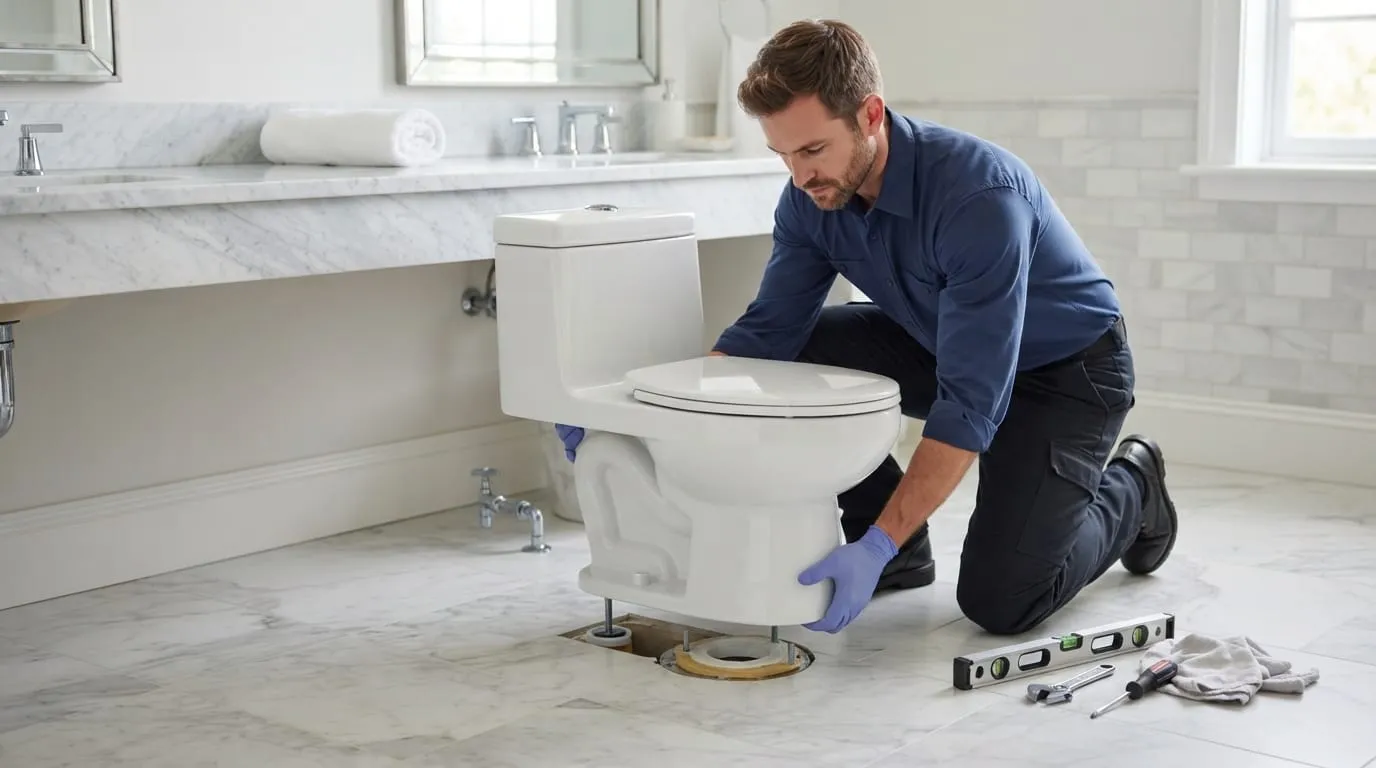
Installing bidet seats and standalone bidets, including the water supply, the backflow protection and the power outlet an electric seat needs.
Free call-routing service. An independent licensed plumber does the work and quotes you directly.
- Licensed and insured
- Price agreed before work
- A plumber who works your area
Measure the bowl before ordering
The most common problem with bidet seats is bought before a plumber is involved.
Seats are made for specific bowl shapes. Elongated and round are the two standards and they are not interchangeable, and there are less common shapes, particularly on older or imported toilets, that no standard seat fits properly.
Measure the length from the centre of the seat bolt holes to the front of the rim, and the width at the widest point. Those two numbers tell you what will fit.
A seat that nearly fits sits unevenly, moves in use and never feels right.
Two things people do not expect
Power. Anything with a heated seat, warm water or a dryer needs an outlet at the toilet. Most bathrooms have no outlet anywhere near it, and bathroom outlets have their own requirements for protection and position. That is an electrician’s work and it is worth establishing before the plumbing is booked, not on the morning. Non-electric seats run on cold supply water alone and sidestep it entirely.
Backflow protection. A bidet joins the drinking water supply to a fixture where contamination is possible. If mains pressure drops sharply, water can be pulled backwards along that connection. Preventing it is a code requirement, not an upgrade, and it is one of the things a proper installation includes that a box kit generally does not.
Does this sound familiar?
Problems this service solves
- Adding a bidet seat to an existing toilet
- Installing a standalone bidet in a renovation
- An electric bidet seat with no outlet nearby
- Wanting warm water rather than cold supply only
- A toilet whose shape will not take a standard seat
Signs you need bidet installation
If more than one of these is true, the problem is usually past the point a plunger or a store-bought cleaner will fix.
- You have bought a bidet seat and need it fitted
- The bathroom is being renovated
- There is no power outlet near the toilet
- The existing toilet is an unusual shape or size
What to expect
How the visit works
Check the toilet and the space
Bidet seats are made for particular bowl shapes and sizes. Confirming the fit before ordering avoids the most common disappointment.
Plan the supply
A cold feed is teed from the toilet supply. A warm feed, where the unit takes one, needs a hot connection run to the position.
Fit backflow protection
A bidet connects supply water to a fixture where contamination is possible, so the correct backflow protection is not optional.
Sort out power before fitting
Electric seats need an outlet at the toilet, which most bathrooms do not have. That is an electrician's job and it is identified before the plumbing starts.
What's included
What you get on every job, whoever we send.
- Fit confirmed against your actual toilet
- Supply teed in properly rather than with a temporary adaptor
- Backflow protection fitted as standard
- Power requirements identified before the job, not on the day
Questions
Bidet Installation questions
Will a bidet seat fit my toilet?
It depends on the bowl. Seats are made for elongated or round bowls and they are not interchangeable, and there are also less common bowl shapes, particularly on European or older units, that standard seats will not sit on properly. Measuring the bowl before ordering, length from the bolt holes to the front rim and width at the widest point, takes two minutes and avoids the most common problem with this job.
Do I need an electrician as well?
For an electric seat, usually yes. Heated seats, warm water and drying functions all need power, and they need it at the toilet, which is not somewhere most bathrooms have an outlet. Bathroom outlets also have specific requirements for protection and placement. Non-electric bidet seats exist and use cold supply water only, which avoids the issue entirely if that suits you.
Why does a bidet need backflow protection?
Because it creates a connection between the clean water supply and a fixture where contamination is possible. If supply pressure drops sharply, for instance during a main break, water can be drawn backwards through that connection into the household supply. Backflow prevention is what stops that happening, it is a code requirement rather than an optional extra, and it is one of the things a proper installation includes that a self-fit kit often does not.
Related services
Toilet Installation
Fitting a new toilet, including the flange condition and floor level that decide whether it seals properly or rocks and leaks within a year.
See what this coversToilet Replacement
Replacing an old or damaged toilet, including removal, disposal, a new seal and any correction needed to the flange underneath.
See what this coversPlumbing Fixture Installation
Fitting taps, basins, toilets, showers and baths, including the shutoff valves and connectors that decide whether the job stays trouble-free.
See what this coversWater Heater Repair
Diagnosis and repair of gas, electric and tankless water heaters, including no-hot-water calls, leaks, pilot problems and sediment flushing.
See what this covers

Get it fixed
Bidet Installation, handled locally
Call with your ZIP code and what you are seeing. We route you to a licensed plumber in your area who does bidet installation every week.
Free call-routing service. An independent licensed plumber does the work and quotes you directly.
- Licensed and insured
- Answered 24/7
- Price before work