Service
Water Testing
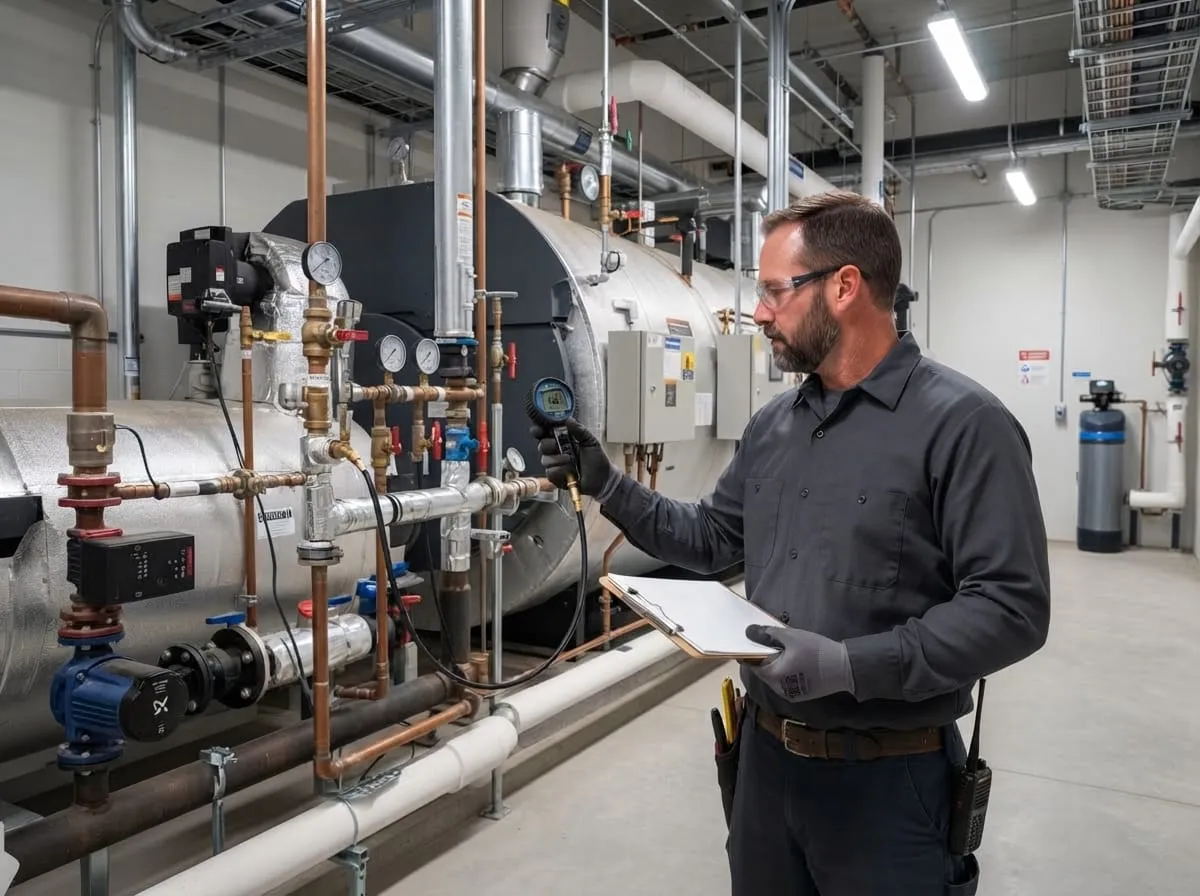
Testing what is actually in the water, which is the step that turns a filtration decision from guesswork into a specification.
Free call-routing service. An independent licensed plumber does the work and quotes you directly.
- Licensed and insured
- Price agreed before work
- A plumber who works your area
The utility report is not your water
Published water quality reports are genuinely useful and they are not the same as testing your tap.
They report averages for a supply zone, measured at the utility’s end of the system. What reaches your property travels through their distribution network and then through your own pipework.
Old galvanised pipe adds iron. A lead service line adds lead. A long run that sits stagnant overnight is different at seven in the morning than at midday.
And on a private well, no report exists at all. Nobody is monitoring your supply unless you arrange it.
Testing at the tap is the only way to know what you are actually drinking and what your pipework is actually carrying.
Five numbers that decide most things
For practical treatment decisions, a small set of parameters explains most of what people notice.
Hardness. Whether softening is worth it and what size unit is needed.
pH. Water that is too acidic attacks copper from the inside, which is a common cause of pinhole leaks. This one is frequently the answer to a plumbing problem rather than a taste problem.
Chlorine. The usual explanation for taste and smell complaints, and cheaply dealt with by carbon.
Iron. Causes the orange staining in sinks and on laundry, and it degrades softener resin, so it needs handling before a softener rather than after.
Total dissolved solids. A general indicator, and the number reverse osmosis is aimed at.
Between them they turn “the water tastes odd” into a specification.
Does this sound familiar?
Problems this service solves
- Water with an unexplained taste, smell or colour
- A private well with no recent testing
- Deciding what filtration or treatment to buy
- Scale or staining with no known cause
- A property purchase where the supply is a well
Signs you need water testing
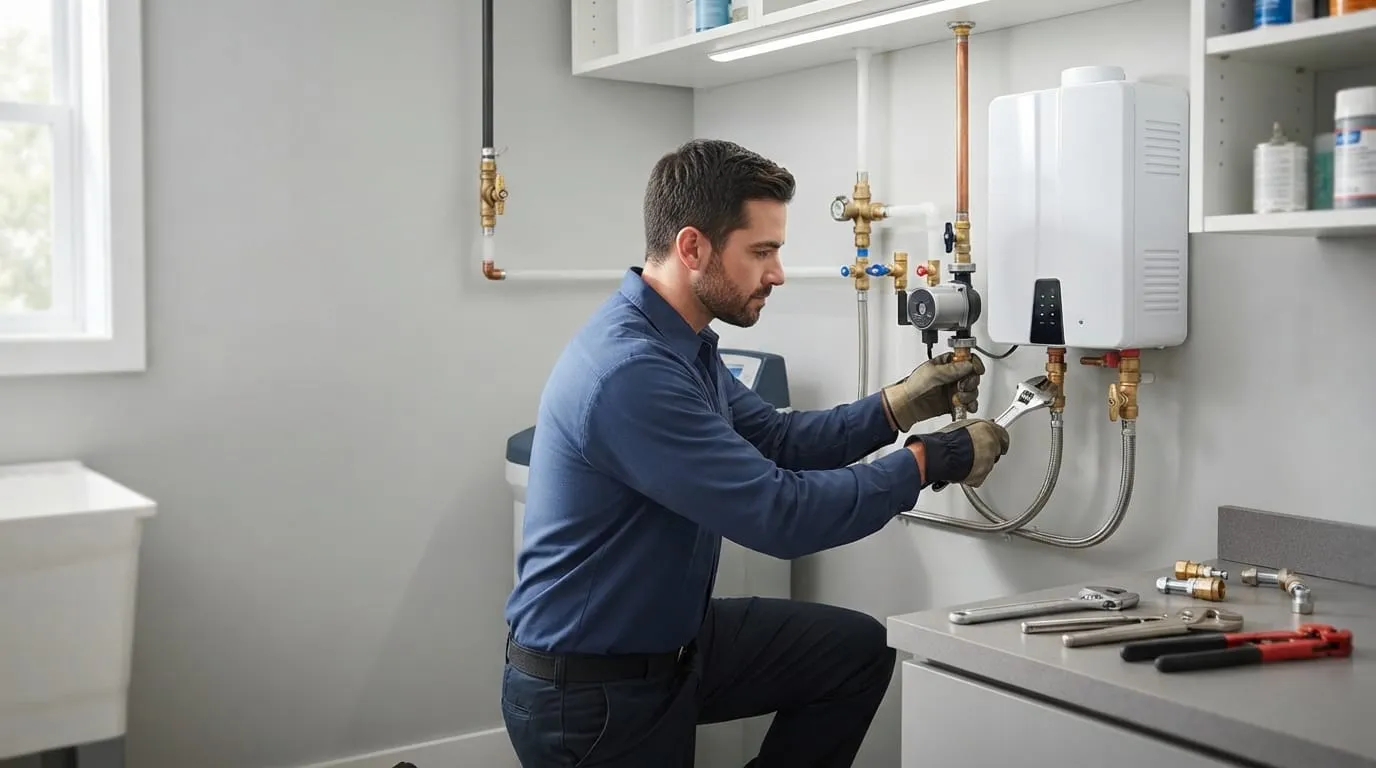
If more than one of these is true, the problem is usually past the point a plunger or a store-bought cleaner will fix.
- The water tastes or smells wrong
- There is staining in sinks or on laundry
- The supply is a private well
- You are about to buy treatment equipment
What to expect
How the visit works
Test at the tap, not from a report
A published utility figure is an average for a supply zone. What arrives at your tap can differ, and a well is not covered at all.
Measure the parameters that matter
Hardness, pH, chlorine, iron and total dissolved solids cover most of what drives treatment decisions.
Interpret the results plainly
Numbers on their own are not useful. What matters is which of them explain the symptom you called about.
Recommend against the results
Treatment is specified for what the test found, and where the answer is that nothing is needed, that gets said.
What's included
What you get on every job, whoever we send.
- Tested at your tap, not taken from a zone average
- The parameters that drive treatment decisions covered
- Results explained against the symptom you noticed
- An honest answer when no treatment is needed
Questions
Water Testing questions
Why test if my utility publishes a report?
Because the report is an average across a supply zone measured at their end, and it tells you nothing about what happens between there and your tap. Old galvanised pipework, a lead service line or a length of stagnant pipe can all change the water that actually arrives. And if you are on a private well, no utility report covers you at all: nobody is testing your supply unless you do.
What should a basic test cover?
For most treatment decisions: hardness, which determines whether softening is worthwhile and what size unit; pH, because water that is too acidic attacks copper pipe and causes pinholes; chlorine, which drives taste and odour complaints; iron, which causes staining and damages softener resin; and total dissolved solids as a general indicator. Those five explain most of what people notice about their water.
Should I test before buying a filter?
Yes, and it is the main reason to test at all. Filters are specific: carbon handles chlorine and taste, sediment handles particulates, reverse osmosis handles dissolved solids, and specialist media handle particular contaminants. Choosing without knowing what is in the water means selecting on marketing. A test costs a small fraction of a treatment system and frequently changes which one is the right answer.
Related services
Water Filtration Systems
Choosing and maintaining filtration, since carbon, sediment, reverse osmosis and specialist media each remove different things and none removes everything.
See what this coversHard Water Treatment
Dealing with hard water, which shortens appliance life and scales heaters, and choosing between softening and conditioning honestly.
See what this coversWater Softener Installation
Installing water softeners, sized to your measured hardness and household use, with a drain for the regeneration discharge and a bypass for servicing.
See what this coversWater Heater Repair
Diagnosis and repair of gas, electric and tankless water heaters, including no-hot-water calls, leaks, pilot problems and sediment flushing.
See what this covers
Get it fixed
Water Testing, handled locally
Call with your ZIP code and what you are seeing. We route you to a licensed plumber in your area who does water testing every week.
Free call-routing service. An independent licensed plumber does the work and quotes you directly.
- Licensed and insured
- Answered 24/7
- Price before work