Service
Pipe Repair
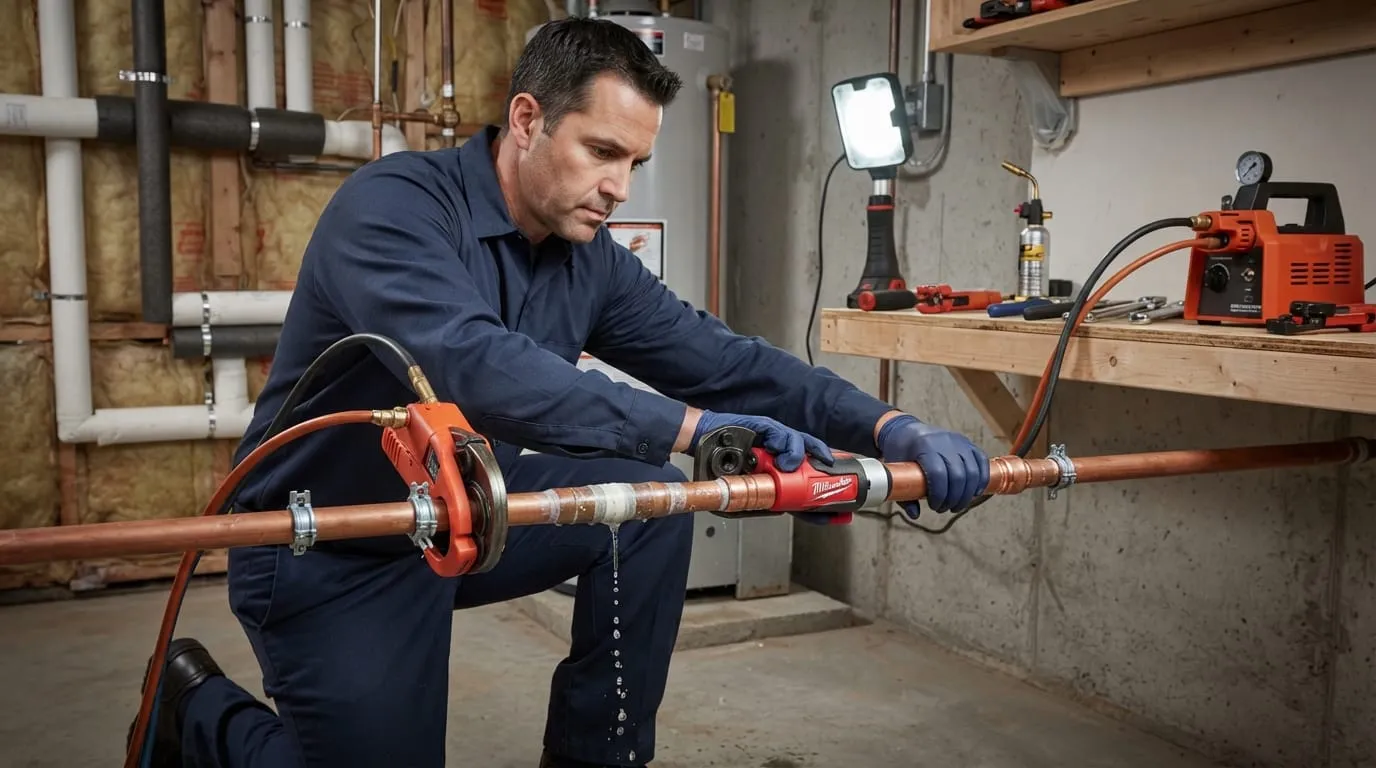
Repair and replacement of burst, leaking, frozen, corroded or noisy water pipes, from a single fitting to a whole-house repipe in copper or PEX.
Free call-routing service. An independent licensed plumber does the work and quotes you directly.
- Licensed and insured
- Price agreed before work
- A plumber who works your area
Water pipes fail for three reasons: they froze, they corroded, or they were never installed well. Which of those applies to your home depends on where it is, when it was built and what material is in the walls. Our pipe repair service connects you with a licensed local plumber who works with those materials every week and can tell you whether you need a single fitting replaced or a larger conversation about the plumbing as a whole.
Materials and how they fail
Copper is the most common supply pipe in homes built from the 1960s onward. It lasts decades but develops pinhole leaks where water chemistry is aggressive, where velocity is high, or where it has rubbed against concrete under a slab. Galvanized steel, common in older homes, rusts from the inside until pressure drops and joints weep. Polybutylene, installed in many homes from the late 1970s through the mid 1990s, becomes brittle and fails at fittings. PEX and CPVC are modern plastics that handle freezing and corrosion better but still need proper support and fittings.
Repair versus repipe
A single leak in an otherwise sound system is a repair. Repeated leaks in the same material, rusty water, or a pipe type known to fail are reasons to price a repipe. A repipe replaces the supply lines throughout the house, typically in PEX, with openings kept to a minimum and patched afterward. It is a larger job, but it ends the cycle of emergency calls and restores full pressure.
Frozen pipes
In any region that sees hard freezes, pipes in exterior walls, unconditioned attics and crawl spaces are at risk. A frozen pipe that has not yet split can sometimes be thawed safely. A pipe that has split needs the section replaced and the rest of the run inspected, because ice usually forms in more than one place. The plumber will also tell you what to insulate or reroute so it does not happen next winter.
Does this sound familiar?
Problems this service solves
- Burst pipes from freezing, water hammer or age
- Pinhole leaks in copper lines caused by corrosive or hard water
- Galvanized steel pipes that have rusted shut or started leaking at threads
- Polybutylene supply lines that fail at fittings without warning
- Banging, hammering or whistling pipes
- Low pressure from scale and corrosion narrowing the pipe interior
- Leaks at old solder joints, compression fittings and shutoff valves
Signs you need pipe repair
If more than one of these is true, the problem is usually past the point a plunger or a store-bought cleaner will fix.
- Discolored or rusty water from the cold tap first thing in the morning
- Water pressure that has declined over years rather than suddenly
- Damp spots, bubbling paint or warped flooring near a wall or ceiling
- A pipe that has frozen more than once in the same spot
- Banging noises when a faucet or appliance shuts off
- Green or white crust on visible copper pipes and fittings
What to expect
How the visit works
Find the failure and the reason
The plumber locates the leak or break and identifies the pipe material, age and what caused it, because a pinhole leak in corroding copper is a different conversation from a single frozen section.
Isolate and repair
The section is shut off, drained, and repaired with a matching material and proper fittings. Temporary clamps are used only to stop water until a proper repair can be made.
Pressure test and check for others
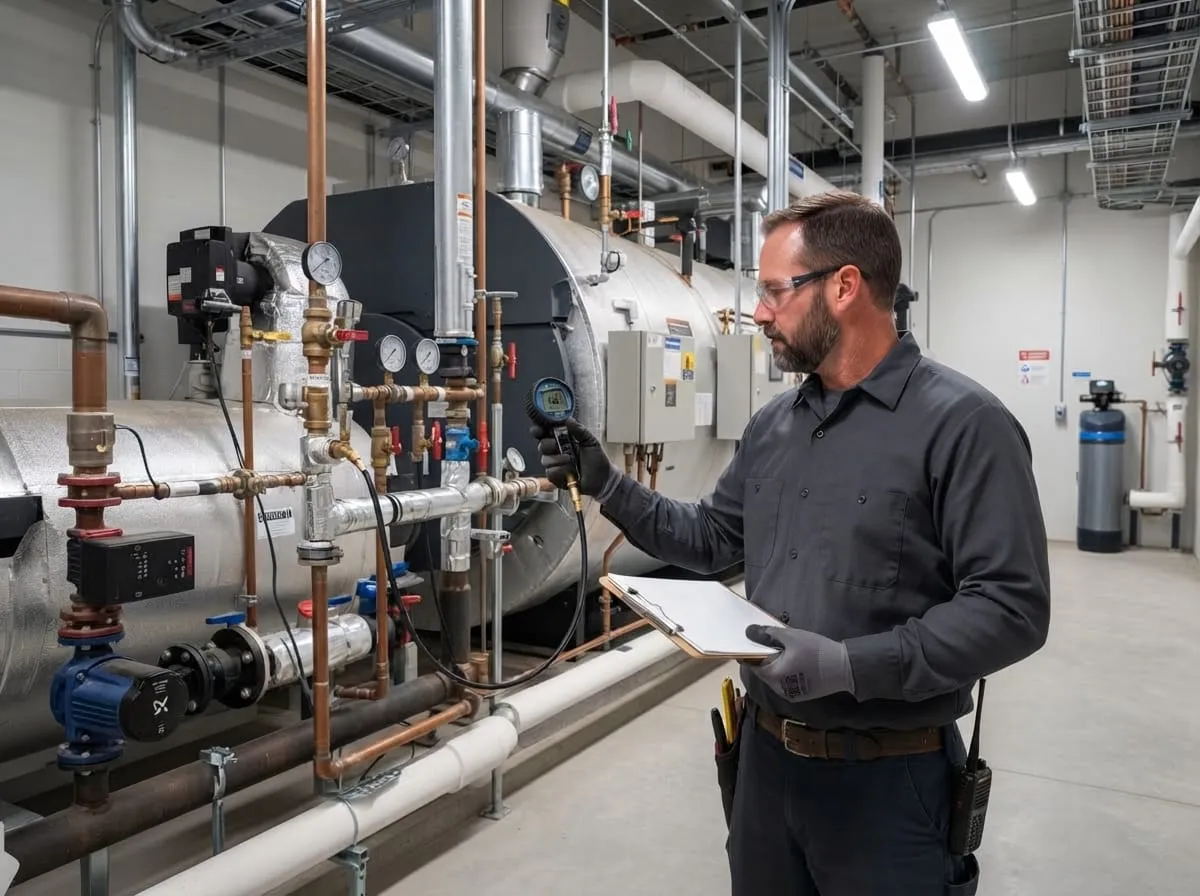
The system is refilled and pressure-tested. Nearby joints and the rest of the visible line are inspected, since one failure often signals others.
Talk about the whole system
If the pipe material is failing throughout, the plumber gives you a repipe estimate and explains what it would involve, without pressure to decide that day.
What's included
What you get on every job, whoever we send.
- Repairs matched to the pipe material and local code
- Honest advice on when spot repairs stop making sense
- Repipe options in PEX or copper with minimal wall openings
- Freeze-protection guidance for pipes in exterior walls, attics and crawl spaces
Local pages
Pipe Repair by city
Local pages for this service, covering the problems, housing and water conditions specific to each area.
Guides
Read before you call
- How to Tell If Your Home Has Polybutylene Pipes, and What to Do About ItPolybutylene supply pipe went into homes from the late 1970s to the mid-1990s and fails at the fittings without warning. How to spot it and what to do next.
- What to Do in the First Ten Minutes After a Pipe BurstsA burst pipe does most of its damage before the plumber arrives. The order of operations that limits it, from the shutoff to what to photograph for insurance.
Questions
Pipe Repair questions
My pipe burst. What do I do right now?
Shut off the main water valve, usually at the meter near the street or where the line enters the house. Open a faucet at the lowest point to drain pressure. Turn off the water heater if it is electric and the tank may drain. Then call. Moving belongings and getting air on wet materials in the first hour limits the damage a great deal.
Why do copper pipes get pinhole leaks?
Pinhole leaks are pitting corrosion from the inside of the pipe. Water chemistry, high velocity through undersized pipe, and stray electrical current all contribute. Once a home starts getting pinhole leaks they tend to continue, which is why a plumber may recommend a repipe after the second or third one rather than chasing leaks.
Should I replace galvanized pipes?
Galvanized steel supply pipes were common through the 1960s and corrode from the inside, narrowing the opening and eventually leaking at threaded joints. If you have low pressure and rusty water, replacement is usually the right call. It is often done in stages, starting with the most affected run.
What is the difference between PEX and copper for repiping?
PEX is flexible plastic tubing that is installed with fewer fittings, tolerates freezing better than rigid pipe, and costs less to install. Copper is rigid, long-lasting and familiar to inspectors everywhere, but costs more and is vulnerable to aggressive water. Both are code-approved in most jurisdictions. The plumber will recommend based on your water, the house layout and local code.
How can I keep pipes from freezing?
Insulate pipes in exterior walls, attics, garages and crawl spaces, and disconnect hoses from outside spigots before a freeze. During a hard freeze, let a faucet on the far side of the house drip and open cabinet doors under sinks on exterior walls. If a pipe has frozen before, ask the plumber about relocating or insulating that section.
Related services
Leak Detection
Locating hidden water leaks under slabs, inside walls, in yards and at the meter using acoustic, thermal and pressure-testing equipment, then repairing them.
See what this coversWater Heater Repair
Diagnosis and repair of gas, electric and tankless water heaters, including no-hot-water calls, leaks, pilot problems and sediment flushing.
See what this coversFaucet Repair
Repair and replacement of dripping, leaking, low-pressure and stiff kitchen, bathroom, tub, shower and outdoor faucets, including cartridge and valve work.
See what this coversSewer Line Repair
Camera-verified repair and replacement of cracked, collapsed, root-damaged or bellied sewer laterals, including trenchless lining and pipe bursting.
See what this covers

Get it fixed
Pipe Repair, handled locally
Call with your ZIP code and what you are seeing. We route you to a licensed plumber in your area who does pipe repair every week.
Free call-routing service. An independent licensed plumber does the work and quotes you directly.
- Licensed and insured
- Answered 24/7
- Price before work