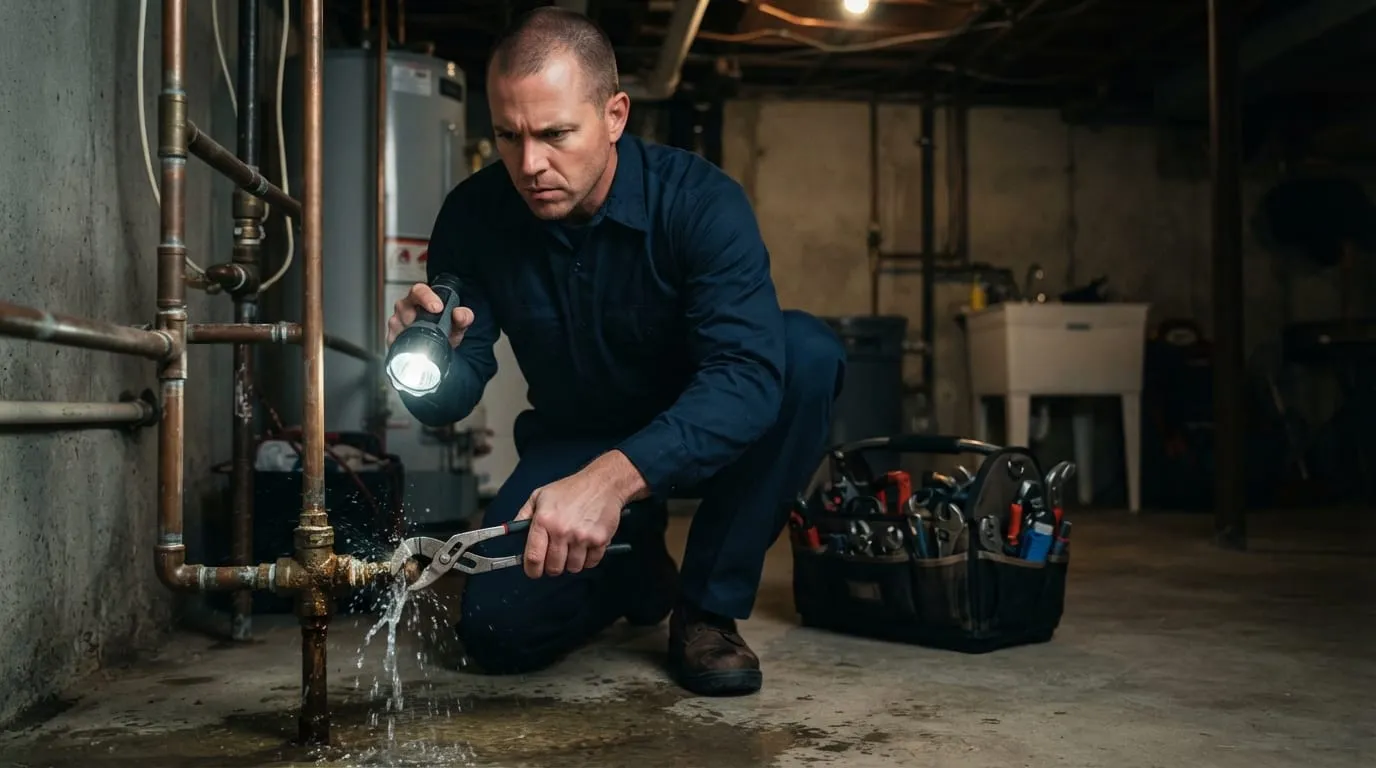
24/7 service
Emergency Plumber
A licensed plumber dispatched for problems that cannot wait, with guidance on the phone about what to shut off while help is on the way.
Free call-routing service. An independent licensed plumber does the work and quotes you directly.
- Licensed and insured
- Answered 24 hours a day
- A plumber who works your area
The first minute matters more than the drive time
In most plumbing emergencies, the damage is done by water that keeps moving while someone looks for a valve they have never used.
That is why the call starts with the shutoff rather than with the diagnosis. There are usually two worth knowing: the fixture’s own isolating valve, which is faster when the problem is at a sink, toilet or water heater, and the main, which stops everything.
Find both now rather than during the emergency. Confirm they actually turn, because a valve that has not been operated in twenty years frequently will not, and discovering that during a flood is considerably worse. A seized shutoff is a small scheduled job.
What waits until morning
A plumber who tells you everything is urgent is selling you something.
Call immediately for water you cannot stop, sewage indoors, a gas smell, or water near electrics. Those escalate. A single slow fixture while the rest of the house drains normally, a dripping tap or a toilet that runs are all repairable at ordinary rates in ordinary hours, and there is no reason to pay a premium for them.
Describing what you can actually see, rather than what you think it means, is what lets someone tell you which category you are in.
Does this sound familiar?
Problems this service solves
- Water escaping somewhere you cannot reach the shutoff
- Sewage coming back into the house through a drain
- A supply line or connector that has failed under full pressure
- No water at all, with no notice from the utility
- Water reaching electrical fittings or an appliance
- A plumbing failure in a rental or business that cannot wait until morning
Signs you need emergency plumber
If more than one of these is true, the problem is usually past the point a plunger or a store-bought cleaner will fix.
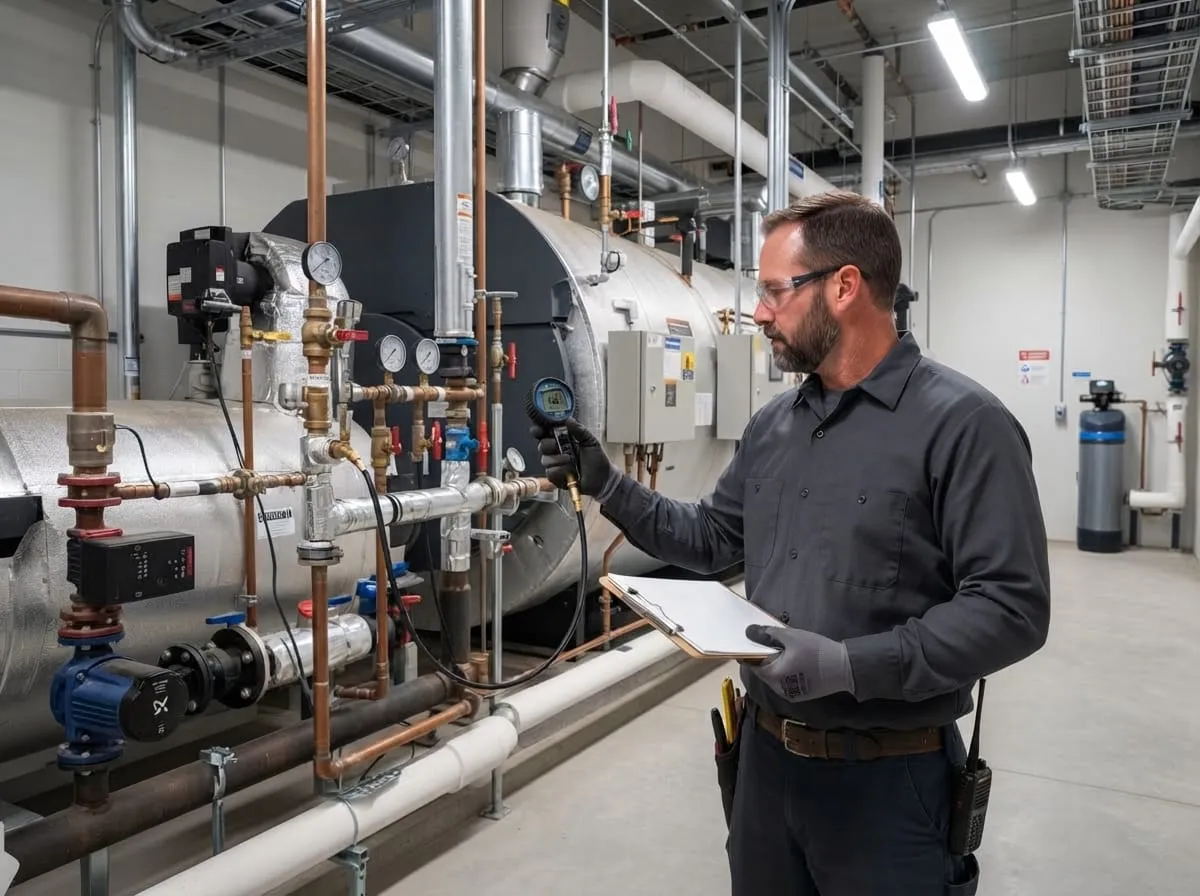
- You cannot stop the water with the fixture's own valve
- Water is spreading into rooms or downwards through a ceiling
- The problem is getting worse rather than holding steady
- Waste water is coming up rather than going down
- You can hear running water with everything turned off
What to expect
How the visit works
Stop the water on the call
The first thing the plumber does is talk you through the nearest shutoff, whether that is the fixture valve, the water heater or the main. Stopping the flow is worth more than shaving minutes off the arrival time.
Establish what failed
Supply, drainage and appliance failures look similar in the moment but need different responses. Knowing which one it is decides what the plumber brings.
Make it safe, then make it work
The immediate job is stopping damage: isolating the failed section, relieving pressure and getting water away from anything electrical. The permanent repair follows once the situation is stable.
Explain what comes next
Some emergencies end with the repair. Others reveal a system at the end of its life, and you should leave the visit knowing which of those you have.
What's included
What you get on every job, whoever we send.
- The line is answered around the clock, not routed to voicemail
- Guidance on what to shut off before anyone arrives
- A licensed plumber who works your area rather than whoever is furthest away
- The price agreed before work starts, including out of hours
Questions
Emergency Plumber questions
What counts as a plumbing emergency?
Water you cannot stop, sewage entering the house, a gas smell, or water near electrical equipment. Those get worse by the minute and justify an out-of-hours call. A single blocked fixture while other drains still work, a dripping tap, a running toilet or lukewarm water are genuinely annoying but they are not emergencies, and calling in normal hours will cost you less. If you are unsure, describe what you can see and you will get a straight answer.
What should I do before the plumber arrives?
Stop the water. For a fixture, use its own isolating valve, the small one under a sink or behind a toilet. For anything else, close the main, which is usually at the meter near the street or where the supply enters the building. If the problem involves the water heater, shut the cold inlet on top of it. If water is anywhere near electrical fittings, cut power to that circuit before you go near it.
Does an emergency call cost more?
Out-of-hours work generally does, because someone is being dispatched outside normal working hours. What should not happen is finding that out afterwards. You get the price before the work starts, at any hour, so the decision about whether it waits until morning is yours to make with the numbers in front of you.
I smell gas. Should I call a plumber?
No, not first. Leave the building and take everyone with you. Do not touch any switch on the way out, including lights, because a switch can spark. Once you are outside and clear, call the gas utility's emergency line or 911. Do not go back in to open windows or look for the source. A plumber comes after the utility has made it safe.
Related services
- 24/7
Burst Pipe Repair
Emergency repair of split, cracked and burst water pipes, including freeze damage, with the cause addressed so the same run does not fail again.
See what this covers - 24/7
Emergency Leak Repair
Urgent repair of active leaks that are running now, including finding the source when water is appearing somewhere other than where the pipe failed.
See what this covers - 24/7
Emergency Drain Cleaning
Urgent clearing of blocked drains that are backing up now, including main lines where waste water is rising into the lowest fixtures.
See what this covers Water Heater Repair
Diagnosis and repair of gas, electric and tankless water heaters, including no-hot-water calls, leaks, pilot problems and sediment flushing.
See what this covers
Get it fixed
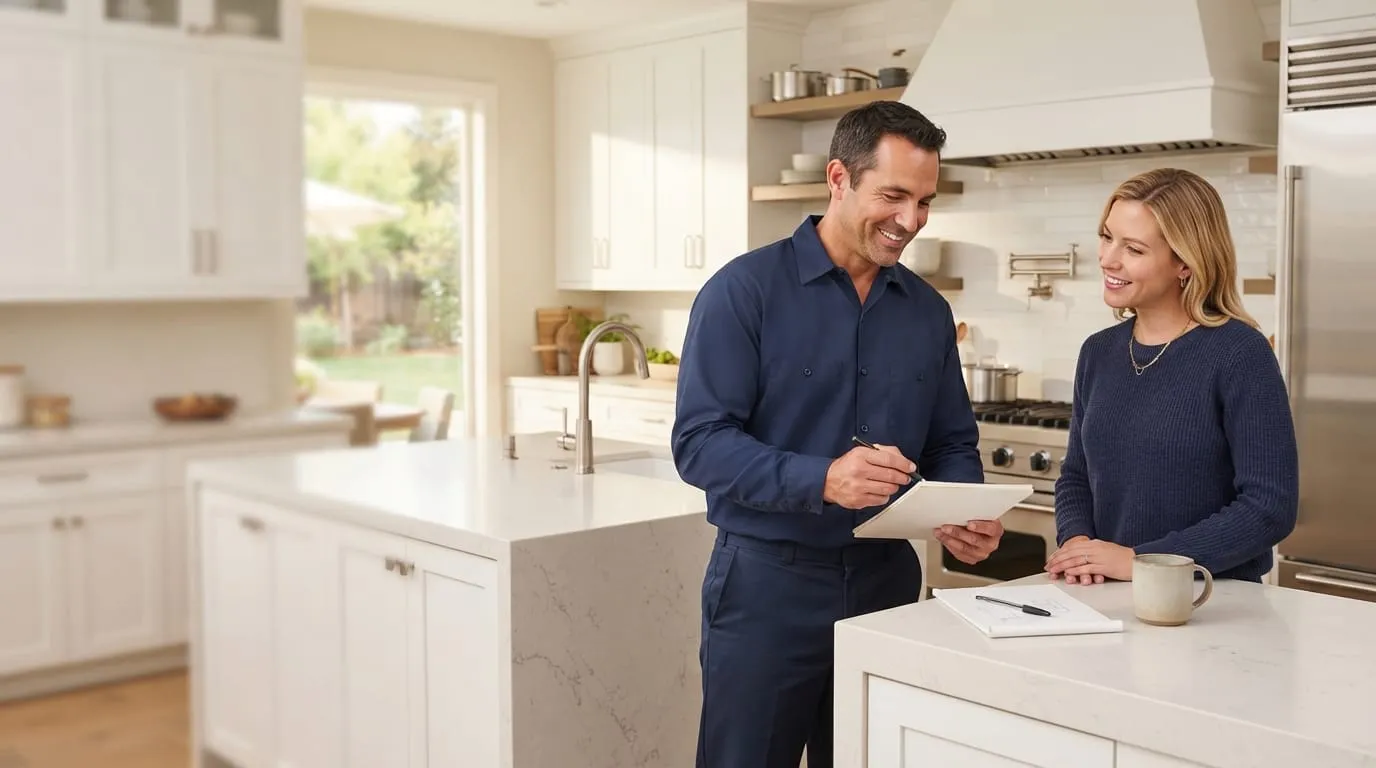
Emergency Plumber, handled locally
Call with your ZIP code and what you are seeing. We route you to a licensed plumber in your area who does emergency plumber every week.
Free call-routing service. An independent licensed plumber does the work and quotes you directly.
- Licensed and insured
- Answered 24/7
- Price before work