Miami, Florida
Drain Cleaning in Miami, FL
In a Miami home built before 1975, a slow drain is rarely just a slow drain. The cast iron beneath the slab has been corroding in humidity and groundwater for fifty years, and the rough, narrowed pipe catches everything. Miami drain cleaning plumbers in our network clear the blockage, run a camera whenever a drain has clogged before, and tell you honestly whether you are looking at debris or at a pipe that needs lining or replacement.
Free call-routing service. An independent licensed plumber does the work and quotes you directly.
Local problems
Drain Cleaning problems we see in Miami
Drains slowed by corroding cast iron
Cast iron under the city's mid-century homes loses its smooth interior to rust scale, and the rough, narrowed wall catches grease, hair and paper. A drain that clogs every few months in Coral Way, Flagami or Westchester almost always has cast iron behind it, and the camera shows how much pipe is left.
Hard-water scale in kitchen and bathroom lines
Miami's aquifer water leaves mineral deposits inside drain lines that stack on top of grease and soap. Hydro jetting removes the buildup from the full pipe wall, where a cable only opens a channel that closes again.
Backups during king tides and rainy season
When the tide or the rain raises groundwater, the county sewer surcharges and the lowest drain in the house becomes the outlet. If it only happens in those conditions, the drain is not the problem, and the plumber checks the lateral and talks through backflow protection.
Roof drains and flat-roof scuppers
Many mid-century Miami homes have flat or low-slope roofs with internal drains and scuppers that clog with leaves and debris, then back up and overflow in the summer storms. Clearing them before the rainy season prevents the worst timing.
Septic-side slow drains
In the parts of Miami-Dade on septic, drains that slow after rain may be a saturated drainfield rather than a blockage. The plumber distinguishes the two before recommending cleaning that would not help.
The drain and the pipe beneath it
Most Miami drain calls come from the same neighborhoods for the same reason. Little Havana, Shenandoah, Coral Way, Silver Bluff, Flagami, Westchester, Coconut Grove and the Upper East Side were built between the 1940s and early 1970s with cast iron drain lines under the slab, and in Miami’s humidity, high groundwater and sewer gas, cast iron loses its smooth interior to rust scale long before it collapses. The rough, narrowed pipe catches grease, hair and paper, and the drain slows again a few months after every cleaning. Miami drain cleaning plumbers in our network clear the blockage and, whenever a drain has clogged before, run a camera so you can see what the pipe looks like and decide with real information.
Cleaning that fits the pipe
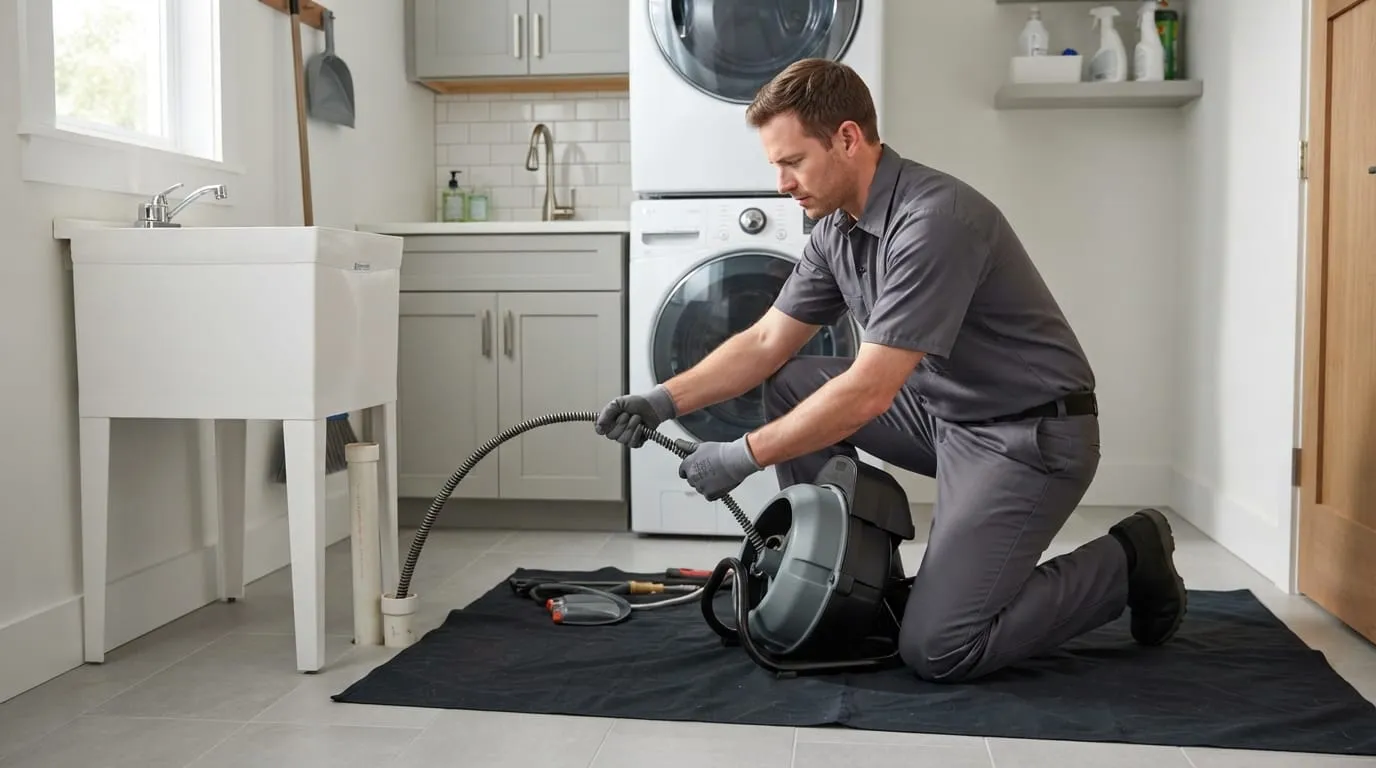
For a bathroom sink or tub slowed by hair, a cable clears it in minutes. For kitchen lines and main lines carrying decades of grease bonded to hard-water scale, hydro jetting is the better tool, scouring the full inside of the pipe rather than boring a hole through the buildup. In thin cast iron, the plumber cameras the line first and sets the pressure for the pipe’s condition. Roof drains and scuppers on the city’s flat-roofed homes get cleared before the rainy season, when they matter most.
When the tide is the cause
A drain that backs up only during king tides or heavy rain is not a clogged drain. Groundwater rises, enters older laterals through every crack, and the county sewer surcharges toward the lowest fixture in nearby homes. The plumber checks the lateral at the cleanout, and the answers are a backflow valve to keep the county’s overflow out and, if your lateral is admitting groundwater, lining or repair. Cleaning the shower drain would be a waste of your money, and the plumbers in our network will say so.
Why drain cleaning matters in Miami
- Miami's pre-1975 housing puts failing cast iron under a large share of the city's drains, so a camera inspection after cleaning saves paying for repeated visits.
- Tide- and rain-driven sewer surcharges cause backups that have nothing to do with the fixture, and a Miami-Dade plumber knows to check the lateral first when it happens on a king tide.
- Hard aquifer water scales drain lines here, which makes hydro jetting the longer-lasting choice for kitchen and main lines.
Signs you need drain cleaning
- Water drains noticeably slower than it used to in one fixture
- Gurgling sounds from a drain when another fixture is used
- Sewer or rotten-egg odor coming from a drain
- A clog that comes back within weeks of being cleared
- Standing water in a tub or shower during use
What to expect
What happens when you call
Identify which drains are affected
One slow fixture usually means a local clog in its trap or branch line. Several fixtures backing up together points to the main line, which is a different job with different equipment.
Choose the right method
A cable machine cuts through hair, grease and small root intrusions in branch lines. Hydro jetting scours the full pipe diameter with high-pressure water and is the right tool for heavy grease and scale.
Clear the line and verify flow
The plumber clears the blockage and runs water to confirm normal flow, watching for slow recovery that would indicate a second restriction further down.
Camera inspection when clogs repeat
If the same drain has clogged before, a camera run shows whether there is a belly, offset joint, root entry or pipe damage that cleaning alone will not fix.
Other plumbing services in Miami
- Water Heater Repair in MiamiDiagnosis and repair of gas, electric and tankless water heaters, including no-hot-water calls, leaks, pilot problems and sediment flushing.
- Leak Detection in MiamiLocating hidden water leaks under slabs, inside walls, in yards and at the meter using acoustic, thermal and pressure-testing equipment, then repairing them.
- Sewer Line Repair in MiamiCamera-verified repair and replacement of cracked, collapsed, root-damaged or bellied sewer laterals, including trenchless lining and pipe bursting.
- Emergency Plumber in MiamiBurst pipes, sewage backups, no water and major leaks handled around the clock by licensed local plumbers who can be dispatched today.
Drain Cleaning near Miami
- Plumbers in Fort Lauderdale
- Plumbers in West Palm Beach
- Plumbers in Saint Petersburg
- Plumbers in Orlando
We also serve Hialeah, Coral Gables, Miami Beach, Miami Gardens, Homestead, Hollywood and the surrounding Miami-Dade County area.
Questions
Drain Cleaning questions from Miami homeowners
Why does my Miami drain back up during king tides?
Because the sewer system is surcharging. High tides raise groundwater across Miami-Dade, that groundwater enters older laterals through every crack, and the county mains fill and push back toward the lowest drain in nearby homes. Cleaning the drain will not help. The plumber checks the lateral at the cleanout, and the real fixes are a backflow valve on the lateral and, if your line is admitting groundwater, lining or repair.
Should I use a chemical drain cleaner on an older Miami home?
No. Caustic cleaners eat at cast iron that is already thin, do not dissolve most real blockages, and create a hazard for the plumber who opens the line afterward. Plunging and cleaning the P-trap under a sink are safe first steps. Beyond that, a cable or jetter is the right tool.
How can I tell if it is a clog or failing cast iron?
A clog affects one fixture and clears for good once removed. Failing cast iron shows up as drains that slow again within months, several fixtures affected at once, gurgling, sewer odor, and in advanced cases damp or heaving floors over the line. A camera inspection through a cleanout settles it in minutes, and the recording is yours to keep.
What is the difference between cabling and hydro jetting?
A cable machine bores a channel through the clog with a rotating cutter and is fast for hair and soft blockages. Hydro jetting uses high-pressure water to scour the full inside of the pipe, removing grease, scale and sludge rather than opening a hole through it. In Miami's scaled and corroded lines, jetting lasts far longer, though the plumber cameras thin cast iron first to confirm it can take the pressure.
How do I keep my drains clear in Miami?
Keep grease and starchy food out of the kitchen sink, use hair catchers, flush only toilet paper, and clear roof drains and scuppers before the rainy season. If your home has cast iron, a scheduled cleaning and camera check every year or two catches the deterioration before it becomes a collapse.
Learn more about drain cleaning nationwide, or see all Florida plumbers.
Get it fixed
Drain Cleaning in Miami, ready now
Call with your Miami ZIP code and what you are seeing. A licensed local plumber is dispatched and you get clear guidance in the meantime.
Free call-routing service. An independent licensed plumber does the work and quotes you directly.
- Licensed and insured
- Answered 24/7
- Price before work