Service
Polybutylene Pipe Replacement
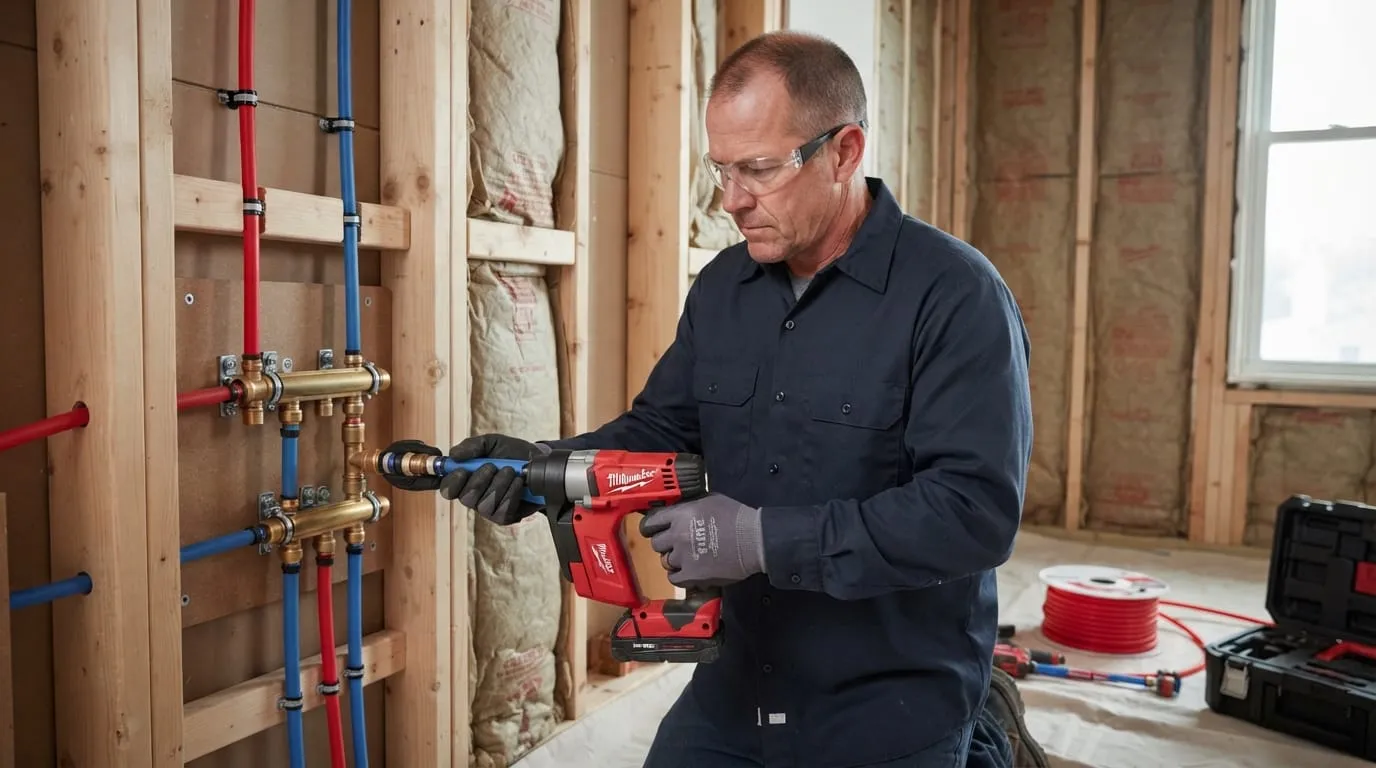
Replacing polybutylene supply pipework, a grey plastic used widely from the late 1970s to the mid 1990s that fails from the inside without warning.
Free call-routing service. An independent licensed plumber does the work and quotes you directly.
- Licensed and insured
- Price agreed before work
- A plumber who works your area
Identify it before anyone quotes
Grey plastic pipe is not automatically polybutylene, and the distinction matters because one needs replacing and the other does not.
Polybutylene is flexible, usually grey but sometimes cream or blue, and marked along its length with a code that begins PB, most commonly PB2110. Fittings are either grey plastic or metal with copper crimp rings. It was installed widely in houses built between roughly 1978 and 1995.
Modern PEX is also flexible plastic and comes in white, red and blue, with entirely different markings. Confusing the two leads either to unnecessary work or to a real problem being dismissed.
Check at the water heater, under sinks, and where the supply enters the building.
Why partial replacement does not work
With most pipe problems, replacing the failed section is a reasonable answer. Here it is not, and it is worth knowing why.
Polybutylene fails because the material itself degrades. Oxidants in treated water, chlorine principally, attack it over decades until it becomes brittle and develops micro-fractures. It is a chemical process working on the whole system at once.
So the section that leaked is not the section that was weakest by chance. It is simply the one that reached the end first, and every other foot in the house has been through identical exposure.
There is also nothing to inspect. The pipe looks sound from outside right up to the moment it lets go, which is the reason these failures arrive without warning.
Does this sound familiar?
Problems this service solves
- Grey plastic supply pipe in a house built between 1978 and 1995
- A polybutylene system that has already leaked once
- Difficulty insuring a property with polybutylene
- Leaks appearing with no warning or visible cause
- A pending sale where the pipe material is an issue
Signs you need polybutylene pipe replacement
If more than one of these is true, the problem is usually past the point a plunger or a store-bought cleaner will fix.
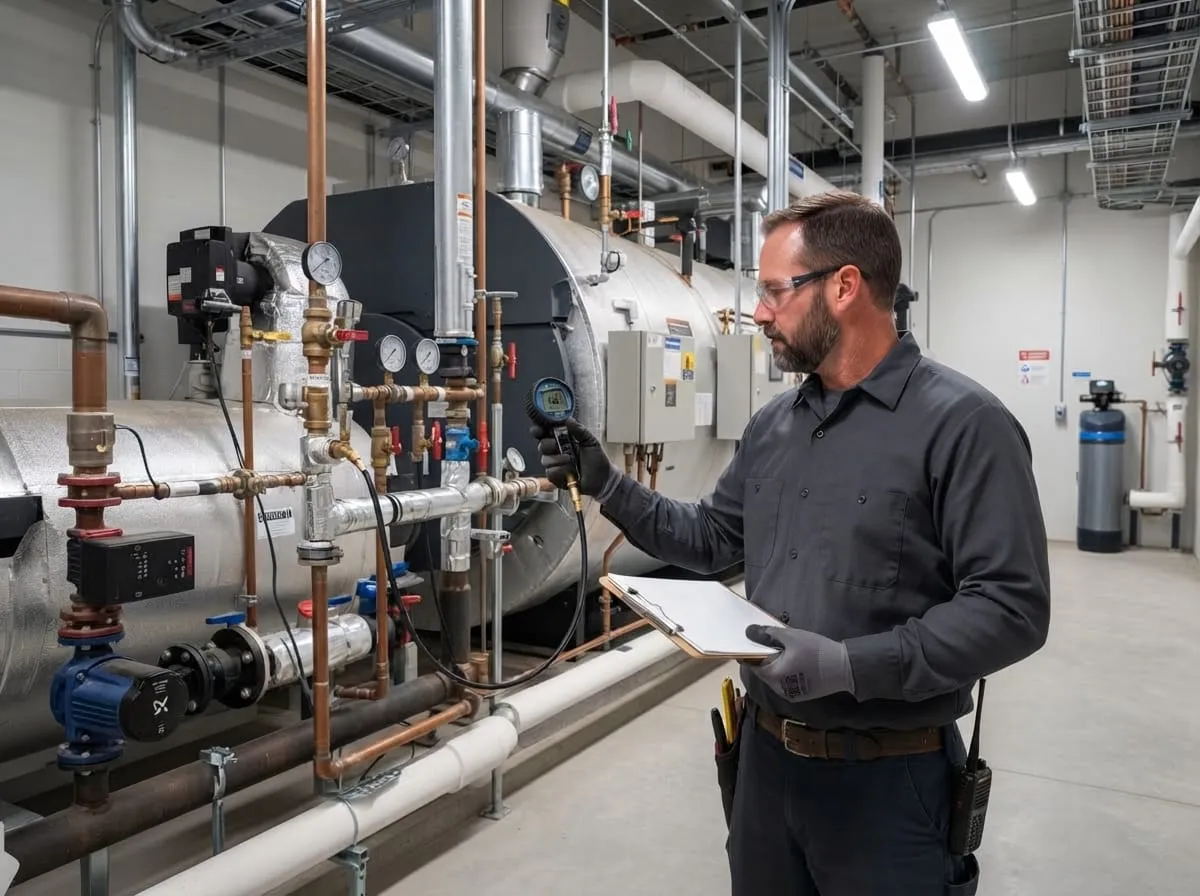
- Grey, cream or blue flexible plastic pipe with stamped markings
- The property dates from the late 1970s to mid 1990s
- Fittings are grey plastic or copper crimp rings
- A leak occurred in a pipe that looked perfectly sound
What to expect
How the visit works
Identify it properly
Not every grey plastic pipe is polybutylene, and mistaking PEX for it leads to unnecessary work. The markings and fittings confirm which you have.
Assess the full extent
Polybutylene was used for supply lines, and sometimes for the buried service line as well. Both need to be established, not just what is visible.
Replace the whole system
Partial replacement leaves the remaining polybutylene with the same failure mode. This is one case where doing half the job genuinely does not help.
Test, reinstate and document
The new system is pressure tested and made good, and you get documentation, which matters for insurance and for resale.
What's included
What you get on every job, whoever we send.
- Correctly identified rather than assumed from colour
- The buried service line checked as well as the interior
- Full replacement, because partial leaves the same risk
- Documentation for insurance and resale
Questions
Polybutylene Pipe Replacement questions
How do I know if I have polybutylene?
Look at the pipe where it is visible, usually at the water heater, under sinks or where it enters the property. Polybutylene is a flexible plastic, most often grey but sometimes cream or blue, marked along its length with a code beginning PB, typically PB2110. Fittings are either grey plastic or metal with copper crimp rings. Houses built roughly between 1978 and 1995 are the ones to check. If in doubt, a plumber can confirm it in a minute.
Why does polybutylene fail?
It degrades from the inside. Oxidants in treated water, chlorine in particular, attack the material over time, causing it to become brittle and develop micro-fractures that eventually let go. The problem is that none of this is visible from outside: the pipe looks entirely sound right up until it fails. That is what makes it different from copper or galvanised, where corrosion gives you some warning before a leak.
Can I replace just the sections that have leaked?
You can, and it does not really address the problem. The failure mechanism is degradation of the material itself, driven by the water it has carried for decades, and that applies equally to every foot of polybutylene in the house. Replacing the section that failed first leaves the rest in exactly the same condition. This is one of the few cases where full replacement is genuinely the sensible answer rather than the expensive one.
Related services
Whole House Repiping
Replacing every supply line in a property, from the main entry to each fixture, with a proper valve layout and a system designed as a whole.
See what this coversPEX Repiping
Repiping a property in PEX, which can often be routed through existing cavities, cutting the amount of wall and ceiling that has to be opened.
See what this coversRepiping Services
Replacing the supply pipework through a property, planned as one job with a defined route, rather than paying for the same repair repeatedly.
See what this coversWater Heater Repair
Diagnosis and repair of gas, electric and tankless water heaters, including no-hot-water calls, leaks, pilot problems and sediment flushing.
See what this covers

Get it fixed
Polybutylene Pipe Replacement, handled locally
Call with your ZIP code and what you are seeing. We route you to a licensed plumber in your area who does polybutylene pipe replacement every week.
Free call-routing service. An independent licensed plumber does the work and quotes you directly.
- Licensed and insured
- Answered 24/7
- Price before work